
Expungement & Record Sealing in Utah
Understanding Expungement and Record Sealing in Utah
Having a criminal record can make life difficult, especially when trying to find a good job or rent an apartment. But in Utah, you might have a second chance. The laws around expungement and record sealing allow people to clear their past and move forward. If you’re looking for a record sealing attorney in Ogden or elsewhere in the state, Richards & Richards Law Firm can help. We’ll examine your situation, determine if you qualify, and handle the paperwork for you.
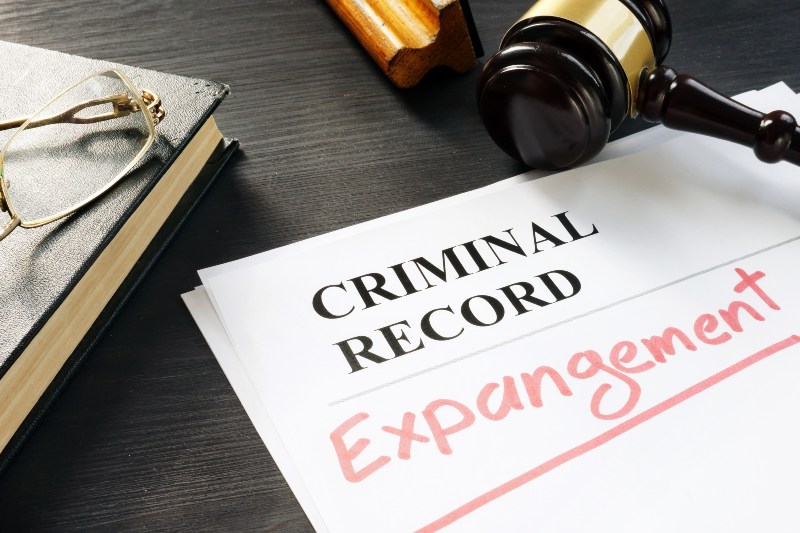
What Is the Clean Slate Law?
Utah recently made significant changes to help people clear their names. The “Clean Slate Law” is a new automated process designed to help people who have stayed out of trouble for a specific period of time. Under Clean Slate Law regulations, certain records are expunged automatically, meaning you won’t have to file a petition or pay a fine. It generally covers:
- Class A Misdemeanors – If seven years have passed since your conviction
- Class B Misdemeanors – If six years have passed
- Class C Misdemeanors and Infractions – If five years have passed
- Dismissed Cases – Cases where charges were filed but later dismissed might also be eligible.
However, not everything is automatic. More serious crimes still require you to complete the traditional petition process.
Determining Eligibility for Expungement and Record Sealing
Expungement eligibility in Utah depends on a few important factors. First, you generally must have paid all your fines and completed probation or parole. Second, you must show the court that you’ve been a law-abiding citizen for a specified number of years. You might be eligible if:
- You have completed all sentencing requirements.
- The required waiting period has passed.
- You don’t have too many separate criminal episodes on your record.
- You don’t currently have any criminal charges pending against you.
Comparing Expungement vs. Record Sealing
People often use “expungement” and “record sealing” as if they mean the same thing, but they don’t.
Expungement essentially erases the arrest and conviction from public view. It’s as if they never happened. When you apply for a job, and the employer does a background check, an expunged record usually won’t appear. You can legally say you were never convicted of that crime.
When a record is sealed, it’s hidden from the general public, but it still exists. Police and courts can still see it. Juvenile records, for example, are often sealed rather than fully expunged.
Most adults prefer criminal record expungement in Ogden because it offers the best protection for their reputation and future opportunities.
Detailing the Expungement Process
Some crimes – like serious felonies and certain driving offenses – are much harder to expunge. If you don’t qualify for the automatic Clean Slate expungement, you’ll need to complete the formal application process. Here’s a step-by-step look at how to clear a criminal record in Utah:

- Apply for a Certificate of Eligibility – You must apply to the Utah Bureau of Criminal Identification (BCI). They’ll check your background to see if you qualify.
- Pay the Fees – There’s a fee to apply for the certificate, and there may be court fees later.
- File a Petition – Once you get your certificate, you must file a petition with the court where you were convicted.
- Prosecutor Review – The prosecutor has the opportunity to object to your expungement.
- Hearing – In some cases, a judge might want to hold a hearing. However, if the prosecutor doesn’t object to expungement, the judge might sign the order without a hearing.
- Final Order – If the judge approves, they’ll sign an Order of Expungement. You then have to deliver this order to government agencies and instruct them to clear your record.
This process involves strict deadlines. If you miss a deadline to file your certificate, you might have to start over and pay the fees again.
Potential Timelines and Outcomes
Expungement is not a quick fix. Getting your Certificate of Eligibility from the BCI can take several months. Once you file with the court, it might take another few months for the judge to sign the order. Overall, to expunge a misdemeanor in Utah, you should expect the process to take anywhere from four to nine months, depending on how busy the courts and agencies are.
However, the outcome is worth the wait. Once expunged, you have the legal right to deny that the arrest or conviction occurred on almost all applications.
Contact Us for Criminal Law Help in Ogden
Your past mistakes don’t have to haunt you forever. The law provides a path for redemption, but the paperwork can be tricky. If you need help with criminal expungement in Ogden, contact the attorneys at Richards & Richards Law Firm to schedule a consultation.